1126 Swenson Blvd c 4, Elgin, TX, 78621
Bonded & Insured
Bastrop County

Bastrop County Siding Contractor Built for Texas Heat, Hail & Clay Soil

Siding here takes a beating most of the country never sees. West walls bake through weeks of 100°F days. Spring hail rolls up the SH-130 corridor. Blackland clay swells and shrinks under your foundation and pulls seams apart. And in the Lost Pines, wildfire is never far from anyone's mind. Elgin Siding & Exteriors is a licensed, bonded and insured siding contractor that picks materials and installation details for these exact conditions. We repair, replace and install fiber cement, James Hardie, vinyl and board and batten siding, and we build it to last in Central Texas.

We've worked on Central Texas homes for more than 10 years. We've pulled rotted Masonite off 1980s houses in Tahitian Village, fixed builder-grade flashing in Manor's ShadowGlen and matched old wood profiles on bungalows near Historic Downtown Elgin. We know which cities need permits, how HOAs in Pflugerville's Falcon Pointe review color changes and why a seam that opened in Taylor may point to soil movement instead of a bad install. You'll get straight answers from a crew that works around here.

  • Licensed siding contractor
  • Bonded and insured
  • 10+ years of Central Texas siding experience
  • Fiber cement, James Hardie, vinyl and board and batten specialists
Free Estimate

Request Your Free Estimate

No obligation. Fast, honest quotes.

Prefer to talk? Call (737) 355-5150 — your details are never shared.

Credentials & Certifications Licensed siding contractorBondedInsuredFinancing available
What We Do

Siding Services for Bastrop County Homes

Every service below starts with the same question: what's actually going on with this wall, in this location? A wooded Bastrop lot, a clay-soil Elgin bungalow and a hail-hit Pflugerville two-story each need different things. We match the material, flashing and fastening to the house in front of us. We don't pitch the same package to everyone.

Siding Repair

We fix cracked, rotted, loose or storm-damaged sections without replacing the whole wall. That covers hail breaks, woodpecker holes, swollen hardboard courses, open corners and failed caulk joints.

We open the area, check the sheathing and framing underneath, replace damaged boards with matched profiles, re-flash where needed and seal with high-movement sealants made for Texas heat.

Common jobs include patching hail-cracked vinyl in Taylor and Coupland, replacing woodpecker-damaged cedar in Tahitian Village, and re-closing seams that clay movement opened on Elgin bungalows. We'll tell you honestly when a repair won't hold up.

Best for: Localized damage on siding that's otherwise sound, insurance claims limited to one or two elevations, and homeowners who want to get more years out of newer siding.

Explore
Siding Installation

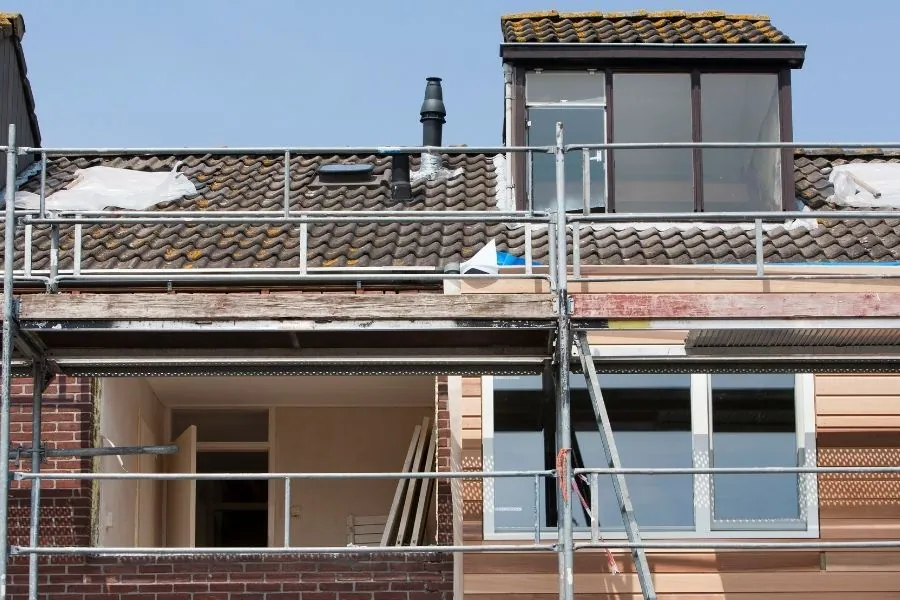
We do complete siding installation for additions, new construction, garages, workshops and outbuildings, with weather barrier, flashing, trim and finish all handled by one crew.

We install a code-compliant weather-resistant barrier, flash every window and roof-to-wall joint (kick-outs included) and follow each manufacturer's fastening and gapping specs for your wall exposure.

We work on additions in Pflugerville and Manor subdivisions, barns and shops on acreage around Elgin and McDade, and new homes in Bastrop. We confirm city permit needs or HOA approval before ordering material.

Best for: New builds, additions, detached garages, accessory dwellings, and rural outbuildings that need siding done right the first time.

Explore
★ Specialty

Siding Replacement

We remove failing siding down to the sheathing, fix what's hidden underneath and re-side the house with a material chosen for your exposure, budget and HOA or historic rules.

We tear off the old siding, document and replace rotted sheathing, re-wrap the walls, re-flash every opening, then install fiber cement, Hardie, vinyl or board and batten with sealed trim details.

This is the main fix for failing Masonite and LP on 1980s–2000s homes in Colovista, Tahitian Village and Pflugerville. It's also how we handle full-elevation hail claims across the SH-130 corridor and fire-resistant upgrades in the Lost Pines.

Best for: Homes with widespread rot, siding over 25 years old, hail claims that require matching, and owners moving to non-combustible exteriors.

Explore

Siding Inspection

We do a full walk-around inspection of your siding, trim, flashing and sealant joints, and you get photos and a plain-English report of what we found.

We check every elevation, probe soft spots, look for moisture where it's needed, inspect kick-outs and window flashing, and note signs of hail, heat, pests or foundation movement.

These are useful before buying in a boom-era subdivision, after spring hail in Manor or Taylor, or when you're trying to tell whether Elgin clay movement is causing siding gaps. They also help with insurance documentation.

Best for: Homebuyers, post-storm checks, insurance documentation, and owners who aren't sure whether they need a repair or a replacement.

Explore

Siding Maintenance

We do scheduled upkeep that heads off expensive failures: re-caulking joints, touching up paint, clearing debris from wall bases and fixing small problems early.

We replace cracked sealant with UV-stable, high-movement products, wash off mildew, spot-prime exposed fiber cement edges, reset loose trim and check flashing after storm season.

This is especially worthwhile in shaded Bastrop pine lots where needles and mildew build up, and on west walls in Manor and Pflugerville where caulk fails fastest after summer heat.

Best for: Owners of newer fiber cement homes, wood-sided or historic homes, and anyone who wants to put off a full replacement.

Explore

Vinyl Siding Installation

We install vinyl siding for budget-conscious homeowners, rentals, manufactured homes and outbuildings, using heavier panels and heat-aware installation methods.

We use thicker panels and lighter, fade-resistant colors, leave proper expansion gaps, hang nails loosely in slot centers and add insulated backer where it fits the job.

Vinyl makes sense on rural Bastrop County homes, manufactured homes and barns. We'll steer you away from dark colors on west walls and from vinyl near Lost Pines tree lines where fire risk is high.

Best for: Tight budgets, rentals, manufactured homes, and low-wildfire-risk properties where low upkeep matters most.

Explore

Fiber Cement Siding Installation

We install non-combustible fiber cement lap, panel and shingle siding that resists rot, termites, woodpeckers and fire, and holds paint far better than hardboard.

We cut with dust-controlled tools, seal and prime every cut edge, flash butt joints, keep ground and roof clearances, and finish with high-quality exterior paint.

This is the go-to material for Lost Pines homes concerned about wildfire, for Pflugerville and Manor gables where hardboard is failing, and for HOAs that require approved fiber cement profiles.

Best for: Homeowners who want long-term durability, fire resistance and pest resistance at a moderate price.

Explore
★ Specialty

James Hardie Siding Installation

We install James Hardie fiber cement products, including HardiePlank lap, HardiePanel and factory-finished ColorPlus options, for homes that need maximum durability in Central Texas.

We follow Hardie's installation instructions for clearances, fastening, joint flashing and trim. Where it fits, we recommend ColorPlus factory finishes to cut down on paint failure from Texas UV.

It's a strong choice for wildfire-conscious owners in Tahitian Village and Cedar Creek, for hail-prone homes in Taylor and Blackhawk, and for HOAs in Falcon Pointe and ShadowGlen that expect premium materials.

Best for: Owners planning to stay long term, homes in wildfire or hail zones, and anyone replacing failing builder-grade siding.

Explore

Board and Batten Siding Installation

We install vertical board and batten siding, in fiber cement or other suitable materials, for modern farmhouse looks, accent gables, barns and Texas Hill Country–style exteriors.

We lay out the battens on a consistent grid, flash horizontal transitions, use fiber cement panels with matching battens for fire and pest resistance, and seal all penetrations.

It's popular on Elgin and Coupland farmhouses, on acreage shops and barns, and as an accent on newer Bastrop and Manor homes. Fiber cement versions keep the rustic look without the woodpecker and termite problems.

Best for: Farmhouse renovations, barns and outbuildings, accent walls, and owners who want rural character with low maintenance.

Explore
Know The Signs

Common Siding Problems in Bastrop County and Nearby Areas

Most siding failures here come down to a handful of local causes: heat, hail, clay, moisture and age. If you know which one is hitting your home, you'll know whether you need a quick repair or a full replacement. Here are the problems we see most often, listed with how serious each one is.

Hail-Cracked and Punctured Vinyl Siding Serious

Hail can shatter, crack or punch holes in vinyl panels, dent aluminum trim and chip paint on fiber cement. Even small cracks let wind-driven rain reach the sheathing behind the panels. Damage often isn't obvious from the ground, so it gets missed until water problems or an insurance deadline show up.

Why it's common here

Spring storms regularly track along the SH-130 and US-79 corridor, and Taylor, Pflugerville, Manor and Coupland have taken repeated hail hits. Vinyl that has baked through years of 100°F summers loses flexibility, so it cracks more easily than new panels. Hard freezes like Winter Storm Uri make it even more brittle. After big storms, out-of-town storm chasers flood the area. Homeowners are then left choosing between fast talkers and contractors who'll still be around next year. Matching discontinued colors and profiles adds another headache to these claims.

Signs you'll notice
  • Visible cracks or holes on windward walls
  • Dented gutters, downspouts or metal trim
  • Chipped paint or spatter marks on fiber cement
  • Pieces of vinyl found in the yard after a storm
  • Neighbors filing hail claims
  • New stains on interior walls behind damaged areas
Local patterns

We see clusters of damage in Pflugerville's Blackhawk and Avalon, in Manor's Presidential Glen and around Taylor after spring storm lines. North- and west-facing elevations usually take the worst of it, and older vinyl on rural homes near Coupland often breaks the worst.

Our fix: Document the damage for your insurer, replace the cracked panels with matched profiles, or re-side whole elevations when matching isn't possible. Upgrading to impact-resistant fiber cement is worth considering.

Rotting Hardboard, Masonite and LP Siding Serious

Hardboard and early composite siding is made of wood fibers held together with resin. Once water gets past the paint, the boards swell, soften and crumble, starting at the bottom edges, drip edges and nail heads. Rot often spreads into the sheathing behind them before anyone notices.

Why it's common here

Thousands of 1970s–2000s homes in Tahitian Village, Colovista and Lake Bastrop-area tracts, along with Pflugerville gables, still have original hardboard. Flash Flood Alley downpours soak the bottom courses, and long hot spells crack the paint film that's supposed to protect the board. In the Lost Pines, shade and pine needles piled against walls keep the bottom boards damp for weeks. After 20 to 40 years of that cycle, most of these products are at the end of their life. Damage behind the boards is often worse than the outside suggests.

Signs you'll notice
  • Swollen, flared or mushy bottom edges
  • Paint peeling in patches near the ground
  • Nail heads sunk into soft board
  • Waffle-pattern bulging across the face
  • Boards that crumble when pressed
  • Musty smells inside exterior walls
Local patterns

This is very common in Tahitian Village, Colovista and Cedar Creek ranch homes, and on the sides and gables of 1990s Pflugerville and early Manor tracts. Second-story gables that face west tend to fail first.

Our fix: Remove the failed siding, inspect and replace damaged sheathing, add a weather-resistant barrier, and re-side in fiber cement or James Hardie for long-term moisture and fire resistance.

Clay-Soil Movement Opening Seams and Corners Moderate

Expansive clay heaves when it's wet and shrinks when it dries. That racks the house frame. The result is open butt joints, separated corner boards, trim pulling away and cracks where brick veneer meets siding. These gaps let water and insects into the wall.

Why it's common here

Elgin, Coupland, Taylor, Manor and Pflugerville sit on Houston Black–type vertisols, some of the most expansive soils in Texas. Drought summers like 2022 and 2023 pull the clay away from foundations, and heavy fall rains swell it back. One season can move a slab noticeably. Rigid caulk joints and tightly nailed trim can't flex that much, so they tear open. The tricky part is figuring out whether the siding failed or the foundation is moving. Treating one when it's really the other wastes money.

Signs you'll notice
  • Gaps at outside corner boards
  • Diagonal cracks in brick next to siding
  • Caulk torn open at window and door trim
  • Butt joints that change width with the season
  • Doors or windows sticking nearby
  • Stair-step cracks in masonry wainscot
Local patterns

This is common in older Elgin and Taylor bungalows and in brick-front 1990s–2000s homes in Pflugerville and Manor. It's especially noticeable where masonry wainscot meets fiber cement in Saratoga Farms and ShadowGlen.

Our fix: Find out whether movement is still happening, recommend a foundation evaluation when the signs point to it, then re-install with flexible joints, movement gaps and properly lapped trim.

Missing Kick-Out Flashing and Builder-Grade Leaks Serious

Kick-out flashing steers roof runoff away from the wall where a roof edge meets a sidewall. Without it, water runs straight behind the siding. Combine that with poor window flashing and failed butt-joint caulk, and water quietly rots the framing inside the wall.

Why it's common here

The 2010s–2020s building boom put up thousands of homes fast. Crews in large builder communities often skipped kick-outs or flashed windows poorly. Central Texas rain comes in heavy, wind-driven bursts, so even a small detail mistake sends a lot of water into the wall. In 100°F heat, cheap caulk shrinks and cracks within a few years. Many owners don't find out until a stain shows up or a home inspection flags rot when they sell.

Signs you'll notice
  • Streaks or stains below roof-to-wall joints
  • Swollen or soft siding below a gutter end
  • Cracked caulk at butt joints and windows
  • Interior drywall stains near windows
  • Paint blistering on fiber cement
  • Mold or musty smell in one room
Local patterns

We find this often in ShadowGlen, Presidential Glen and Lagos in Manor, in Falcon Pointe and Avalon in Pflugerville, and in newer Bastrop tracts like Piney Creek and Hunters Crossing. Two-story homes with complex rooflines have it worst.

Our fix: Open the affected wall, replace rotted sheathing and framing, install proper kick-out and window flashing, and reinstall or replace siding with sealed, primed cut edges.

Heat Warping, Fading and Paint Failure Moderate

Intense heat and UV make vinyl panels buckle, ripple (oil-canning) or melt, especially where reflective low-E windows focus sunlight on them. On fiber cement, the same exposure chalks and fades paint. On wood, it dries out the boards so joints open.

Why it's common here

South and west walls here take mid-to-upper 90s heat for four months straight and strong UV most of the year. Long 100°F+ stretches push vinyl past its design limits. Panels nailed too tight can't expand, so they buckle. Builder-grade paint on fiber cement often fails within 8 to 12 years. Dark colors absorb far more heat, which is why color choice matters more here than up north.

Signs you'll notice
  • Wavy or rippled vinyl panels
  • Melted or distorted spots near windows
  • Chalky residue when you rub the wall
  • Faded west wall compared with the north side
  • Peeling or cracking paint
  • Open gaps at wood butt joints
Local patterns

This shows up most on west-facing walls in Manor, Elgin and Pflugerville subdivisions where neighbors' low-E windows face each other. We also see it on older vinyl rentals and manufactured homes across rural Bastrop County.

Our fix: Replace distorted panels using heat-appropriate fastening and gapping, choose lighter fade-resistant colors, or move to factory-finished fiber cement such as James Hardie ColorPlus.

Woodpecker, Termite and Moisture Damage to Wood Siding Moderate

Wood siding and trim attract woodpeckers, carpenter bees and subterranean termites. Holes, tunnels and soft spots let water in, and the damage often reaches sill plates and studs before anyone sees it from outside.

Why it's common here

Lost Pines properties sit under loblolly pine and oak. That means constant shade, damp walls, pine needles piled at the base and a lot of wildlife. Subterranean termites stay active year-round in Central Texas, and sandy soil makes it easy for them to reach wood near the ground. Woodpeckers go after cedar siding looking for insects or nesting spots. Carpenter bees bore into untreated trim. In shaded spots, the wood never fully dries, so rot and mildew speed everything up.

Signs you'll notice
  • Round holes or rows of holes in cedar
  • Sawdust below trim boards
  • Mud tubes along the foundation
  • Soft wood near the ground
  • Green mildew on shaded walls
  • Sagging or crumbling trim
Local patterns

This is typical in Tahitian Village, Cedar Creek and around Lake Bastrop, and on cedar-sided homes on wooded acreage. Post-2011 rebuilds with wood accents near the treeline are also at risk.

Our fix: Remove damaged wood, repair the framing, coordinate with your pest control company, and replace with fiber cement or board and batten profiles that resist pests and moisture.

Combustible Siding in Wildfire-Exposed Areas Emergency

Wood, T1-11 and vinyl siding can catch fire or melt from embers and radiant heat. Gaps behind trim and unscreened vents let embers into the wall. In a wildfire, the exterior is one of the main ways a house catches fire.

Why it's common here

The 2011 Bastrop County Complex Fire destroyed about 1,700 homes, and the 2015 Hidden Pines fire showed the risk hasn't gone away. Dense pine stands, drought summers and wind make the Lost Pines especially exposed. Local Firewise efforts and the county's Community Wildfire Protection Plan encourage non-combustible siding and ember-resistant detailing. Many older homes that survived 2011 still have the original T1-11 or cedar.

Signs you'll notice
  • Wood or T1-11 siding near tree lines
  • Vinyl siding within a few feet of brush
  • Open gaps at soffits and siding bottoms
  • Unscreened or coarse-mesh vents
  • Pine needles piled against walls
  • Wood trim touching mulch beds
Local patterns

This matters most in Tahitian Village, Cedar Creek, Circle D and McAllister-area homes on wooded lots, and in older Lost Pines homes outside the 2011 burn footprint that were never upgraded.

Our fix: Re-side in non-combustible fiber cement or James Hardie, seal gaps, add ember-resistant details at the base and vents, and keep a non-combustible zone right next to the house.

Transparent Pricing

How Much Does Siding Cost in Bastrop County?

Siding prices vary a lot depending on material, wall area and what's hiding behind the old boards. The figures below are typical local ranges. They aren't quotes, but they'll help you plan before your inspection.

Typical Project

Hail repair on one elevation

Replace cracked vinyl panels and dented trim on the west wall of a Taylor or Pflugerville home

$900 – $3,500
Typical Project

Full vinyl re-side, single-story ranch

About 1,600 sq ft home near Elgin or Coupland, roughly 1,700 sq ft of wall area, minor sheathing repair

$11,000 – $19,000
Typical Project

Hardboard sides and gables to fiber cement

1990s–2000s two-story Pflugerville or Manor home with brick front, about 1,200 sq ft of siding plus kick-out flashing

$14,000 – $24,000
Typical Project

Full James Hardie replacement in the Lost Pines

About 1,800 sq ft Tahitian Village or Cedar Creek home, Masonite tear-off, sheathing repairs, ember-resistant detailing

$24,000 – $40,000
Siding Material Primary Factor

Material choice drives the price more than anything else. Vinyl is the most affordable, usually around $5–$9 per square foot installed. Fiber cement typically runs $9–$14, and James Hardie with ColorPlus factory finish lands near the top of that range or slightly above it. Board and batten costs more because of the extra trim labor. In wildfire-exposed Lost Pines lots, non-combustible fiber cement usually earns back its higher upfront cost.

Hidden Sheathing and Framing Damage Primary Factor

On 1980s–2000s homes with hardboard, Masonite or LP siding, rotted sheathing is common once the old boards come off. Replacing OSB or plywood sheathing typically adds $3–$6 per square foot in the affected areas. Rot at sill plates or studs, often from missing kick-out flashing or termites, costs more. We price this separately in the estimate so you understand the risk up front.

Home Size, Height and Complexity Secondary Factor

Two-story walls, steep gables, lots of windows and complicated rooflines take more labor, staging and flashing. A simple single-story ranch in Elgin costs far less per square foot than a two-story Pflugerville home with multiple gables and roof-to-wall joints. Brick or stone wainscot cuts down the siding area but adds transition details where masonry meets siding.

Permits, HOA and Historic Requirements Secondary Factor

City permits in Bastrop, Elgin, Manor, Pflugerville or Taylor add modest fees and inspection time when they're required. HOA approval may limit you to specific profiles or colors. Pre-1978 homes need EPA lead-safe practices, which add containment and cleanup costs. Designated historic properties may need custom wood-profile matching, and that can raise material costs significantly.

Insurance Involvement Situational Factor

After hail, your carrier may cover much of the cost minus your deductible. Disputes often come up over matching undamaged elevations when the original color or profile has been discontinued. Good documentation of the damage and of the matching problem can make a big difference in what gets approved.

Financing is available for repairs, full replacements and insurance-deductible gaps. Ask about options during your estimate. Durable fiber cement installed with proper flashing can outlast cheaper siding by decades. It cuts maintenance, protects the framing from hidden rot and adds real fire resistance, which matters a lot in Bastrop County.

Local Expertise

Why Bastrop County Homes Need Siding Built for This Climate

Siding that holds up fine in Ohio can fail in under a decade here. Bastrop County and its neighbors sit where the Blackland Prairie meets the Lost Pines. That puts extreme heat, burst rainfall, hail, shifting clay and wildfire risk on the same wall. Here's what that means for your exterior.

Heat, Hail, Flash Floods and Fire: The Climate Factors

From June through September, highs usually sit in the mid-to-upper 90s. Summers like 2011, 2022 and 2023 brought long runs of 100°F+ days. South- and west-facing walls get the worst UV. Vinyl fades and oil-cans there, especially next to reflective low-E windows, and paint on fiber cement chalks years early. Rainfall averages roughly mid-30s inches a year, but it arrives in Flash Flood Alley downpours. Those storms drive wind-blown rain behind poorly flashed siding. Spring hail regularly crosses the I-35/SH-130 corridor and cracks vinyl in Taylor, Pflugerville and Manor. Winter Storm Uri in 2021 showed that rare hard freezes can make vinyl brittle. Then there's wildfire. The 2011 Bastrop County Complex Fire destroyed about 1,700 homes, and that's why non-combustible siding is a real priority in the Lost Pines.

Clay, Pines and Four Generations of Housing

Elgin, Coupland, Taylor, Manor and Pflugerville sit on expansive Houston Black–type clays. These soils swell when wet and shrink when dry. That movement racks framing, cracks brick veneer and opens gaps at siding corners and trim. Central Bastrop County is different: sandy soil, heavy pine shade, needle buildup against walls, and woodpeckers and termites going after wood siding. The housing stock varies just as much. Downtown Bastrop has 19th-century Greek Revival and Victorian homes. Tahitian Village and Colovista have 1970s–90s homes with failing hardboard and T1-11. Pflugerville has 1990s–2000s tracts with brick fronts and aging hardboard gables. And boom-era subdivisions like ShadowGlen, Avalon and Saratoga Farms are already showing builder-grade flashing and paint failures.

Permits, HOAs, Historic Districts and Insurance

Where your home sits decides which rules apply. Unincorporated Bastrop, Travis and Williamson County homes usually don't need a city-style building permit to re-side, but floodplain rules still apply. Lost Pines properties may also fall under Community Wildfire Protection Plan guidance. Bastrop, Elgin, Manor, Pflugerville and Taylor each adopt their own version of the International Residential Code, and permit requirements for siding or sheathing replacement differ from city to city. Designated properties in the Downtown Bastrop Historic District may need landmark commission approval before you change exterior materials. Any pre-1978 home falls under EPA lead-safe (RRP) rules. HOAs in Falcon Pointe, Presidential Glen, Hunters Crossing and Piney Creek usually require architectural approval before work starts. And on hail claims, carriers regulated by the Texas Department of Insurance often dispute whether undamaged walls need to match the replaced ones.

A Fast-Growing, Mixed Community

Bastrop County had about 97,000 residents at the 2020 Census, and it's one of the faster-growing counties in Texas. Much of that growth comes from Austin spillover, Tesla Giga Texas, Samsung's Taylor fab and SpaceX/Boring Company operations near Bastrop. Many newcomers have never dealt with Texas heat, clay soils or wildfire exposure. They live alongside ranch families around Elgin and Coupland, Lost Pines retirees and young commuters in Manor. Most of them want the same things: siding that lasts, needs little upkeep, holds up to storms and fire, and comes at an honest price.

Elgin Siding & Exteriors Siding Contractor Bastrop County project in Bastrop County (1)
Bastrop County
Elgin Siding & Exteriors Siding Contractor Bastrop County project in Bastrop County (2)
siding
Talk to a Local Expert
The Elgin Siding & Exteriors Difference

Why Bastrop County Homeowners Choose Elgin Siding & Exteriors

We Know This Ground, Literally

Siding problems in Elgin don't look like siding problems in Tahitian Village. On the Blackland Prairie, expansive clay pulls corners and seams apart. In the Lost Pines, shade, needles, termites and woodpeckers do the damage. After more than 10 years working on Central Texas homes, we can usually tell which one we're dealing with before we touch a board. That matters, because if you treat soil movement like an installation defect, or the other way around, you'll pay twice. We tell you what's actually causing the problem.

Licensed, Bonded and Insured

Your home is your biggest investment, so the crew working on it should be properly protected. Elgin Siding & Exteriors is a licensed siding contractor, and we're bonded and insured. If something unexpected happens on the job, you're not left holding the bill. After a big hail event, out-of-area storm chasers pour into Taylor, Manor and Pflugerville, and plenty of them can't say that. Ask any contractor for proof before you sign. We'll gladly show you ours.

Siding Is All We Do

We're not a roofing company that does siding on the side. We focus on siding: fiber cement, James Hardie, vinyl and board and batten installation, repair and replacement. That focus shows in the details that matter most here. We seal cut edges on fiber cement, install kick-out flashing at every roof-to-wall joint, gap vinyl properly for 100°F walls and lap trim so it can handle clay movement. Those details are what separate siding that lasts 30 years from siding that leaks in 10.

Materials Matched to Your Exposure

We don't push one product on every home. A wooded Cedar Creek lot needs non-combustible fiber cement and ember-resistant detailing. A rental on open acreage near Coupland may be better off in heavy vinyl. A hail-prone Blackhawk two-story might be worth upgrading to James Hardie ColorPlus. We look at sun exposure, fire risk, hail history, HOA rules and your budget. Then we recommend what makes sense and explain why.

Clear Estimates, No Surprises Hidden in the Walls

Old hardboard almost always hides something. We tell you that up front. Our written estimates spell out the scope, materials and how we'll price sheathing or framing repairs if we find rot behind the siding. If we do, we stop, show you photos and talk it through before going further. You'll never come home to a surprise change order you didn't approve.

Help With HOAs, Permits and Insurance Claims

Paperwork slows down plenty of siding projects. We help prepare HOA architectural submittals for communities like ShadowGlen, Falcon Pointe and Hunters Crossing. We confirm city permit requirements in Bastrop, Elgin, Manor, Pflugerville and Taylor, and we flag historic-district considerations downtown. For hail claims, we provide detailed photos and documentation so you can talk with your adjuster about color and profile matching.

Financing to Fit Your Budget

A full re-siding is a big expense, and failing siding can't always wait until savings catch up. We offer financing so you can fix rot, upgrade to fire-resistant fiber cement or close out an insurance project without draining your savings. We'll walk you through the options during your estimate, with no pressure either way.

Simple & Transparent

How Our Siding Process Works

No pressure, no guesswork. Here's what happens from your first call to the final walkthrough, and how we plan around local permits, HOAs, insurance and the weather.

Inspection and Assessment

Usually scheduled within a few days; on-site visit about 1 hour
  • We walk every elevation, including gables and roof-to-wall joints
  • We probe for soft or rotted boards and check the flashing
  • We photograph hail, heat, pest or movement damage
  • We talk with you about your goals, budget and timeline

Local note: On clay-soil homes in Elgin, Taylor and Pflugerville, we note any signs of foundation movement so you know what's siding and what isn't.

Material Recommendation and Written Estimate

Typically within a few business days of the inspection
  • We compare material options for your wall exposure and fire risk
  • We give you an itemized written estimate with scope and allowances
  • We explain the risk of hidden sheathing damage up front
  • We go over financing options if you want them

Local note: Lost Pines homes get non-combustible options first, and west walls get heat-appropriate colors and products.

Approvals, Permits and Insurance Coordination

Varies: days for most homes, longer for HOA or historic review
  • We confirm whether your city requires a permit
  • We prepare HOA architectural submittals with samples and colors
  • We provide photos and documentation for insurance claims
  • We follow lead-safe planning for pre-1978 homes

Local note: Bastrop, Elgin, Manor, Pflugerville and Taylor each set their own rules. Unincorporated county homes often need no permit, and designated historic properties may need landmark review.

Installation

Repairs often 1–2 days; full re-siding usually 1–3 weeks depending on size
  • We protect landscaping, AC units and windows
  • We remove old siding and document what's underneath
  • We replace damaged sheathing, then wrap and flash the walls
  • We install siding, trim and sealants to manufacturer specs
  • We clean up every day, including magnetic nail sweeps

Local note: We schedule around spring storm lines and the worst summer heat, and we keep you updated if hidden rot changes the scope.

Final Walkthrough and Follow-Up

Completion day, plus check-ins after the job
  • We walk the finished exterior together
  • We fix any punch-list items right away
  • We give you care and maintenance guidance for your material
  • We provide final documentation for HOA or insurance records

Local note: We'll suggest an annual caulk and flashing check after summer, which matters most on west walls and in shaded pine lots.

Trusted Locally

Trusted Siding Work Across Bastrop County

Years of Central Texas Siding Experience
10+
Bastrop County

Homeowners from Historic Downtown Elgin to Tahitian Village and Falcon Pointe call us for the same reasons: straight answers, clean job sites and siding installed for how Central Texas weather really behaves.

20-Mile
Service Radius
6
Core Communities Served
4
Specialty Siding Types Installed
Licensed siding contractorBondedInsuredFinancing available
Where We Work

Siding Service Areas Around Bastrop County

We're based in Elgin and serve homes within a 20-mile radius, across Bastrop County and into neighboring Travis and Williamson County communities. Each area has its own soil, housing age and rules, and we plan every job around them.

Elgin & Northern Bastrop County

ElginHistoric Downtown ElginSaratoga FarmsMcDade & Paige area

Bastrop & the Lost Pines

Bastrop & Downtown Bastrop Historic DistrictTahitian VillageCedar Creek & ColovistaHunters Crossing, Piney Creek & Pecan Park

Manor, Pflugerville & the Williamson County Corridor

ManorPflugervilleTaylorCoupland

We serve properties within roughly 20 miles of our Elgin base. If you're near the edge of that radius, call us and we'll confirm coverage for your address. Not sure if we cover your area? Call (737) 355-5150.

Find Us

Serving Bastrop County & Nearby

1126 Swenson Blvd c 4, Elgin, TX, 78621 · Mon-Sun: 7:00 am – 7:00 pm

ElginHistoric Downtown ElginSaratoga FarmsMcDade & Paige areaBastrop & Downtown Bastrop Historic DistrictTahitian VillageCedar Creek & ColovistaHunters Crossing, Piney Creek & Pecan ParkManorPflugervilleTaylorCoupland
Questions & Answers

Siding Questions Bastrop County Homeowners Ask

How much does new siding cost for a typical home in Bastrop County?

Most full re-siding projects here fall between about $11,000 and $40,000. Vinyl on a single-story ranch sits at the low end. A full James Hardie replacement with sheathing repairs on a Lost Pines home sits at the high end. Per square foot, vinyl usually runs around $5–$9 installed and fiber cement around $9–$14. Hidden rot behind old hardboard is the biggest wildcard, so we explain how we'll price it before work starts. Spot repairs, like replacing hail-cracked panels on one wall, often cost $900 to $3,500. Financing is available.

How long does a siding replacement take?

A full replacement on an average single-story home usually takes about one to two weeks once materials are on site. Larger two-story homes or jobs with a lot of sheathing repair can take up to three weeks. Small repairs often wrap up in a day or two. Approvals usually take longer than the work itself. HOA architectural review in communities like Falcon Pointe or ShadowGlen can take a few weeks, and city permits add some time. After big hail events, demand spikes across the region, so it helps to schedule early.

Do I need a permit to replace siding in Bastrop County?

It depends on where your home is. Unincorporated Bastrop, Travis and Williamson County properties usually don't need a city-style building permit for re-siding, though floodplain rules still apply. The cities of Bastrop, Elgin, Manor, Pflugerville and Taylor each run their own permitting under adopted versions of the International Residential Code. Whether siding or sheathing replacement needs a permit varies from city to city, so we check each project individually. Designated properties in the Downtown Bastrop Historic District may also need landmark commission approval, and most newer subdivisions require HOA sign-off.

Is fiber cement worth it over vinyl in Central Texas?

For most homes here, yes. Fiber cement doesn't melt or warp in 100°F heat, resists termites and woodpeckers, holds up better to hail, and it's non-combustible. That last point matters a lot in the Lost Pines after the 2011 fire. Vinyl costs less upfront and works well for rentals, manufactured homes and open rural lots with low fire risk. If you choose vinyl, go with heavier panels and lighter colors, especially on west walls next to reflective windows. We'll help you weigh it for your specific property.

When should I repair siding and when should I replace it?

Repair makes sense when the damage is limited to a few boards or one elevation and the rest of the siding is sound. Replacement is usually smarter when hardboard or Masonite is swelling on several walls, when the siding is over 25 years old, or when hail damage can't be matched because the color or profile is discontinued. Don't wait if you see soft bottom edges, interior stains, open seams or rippled vinyl. Water behind siding causes damage you can't see, and the repair bill grows every storm season.

Will insurance pay for hail-damaged siding?

Often, yes, if the damage came from a covered storm and you file within your policy's deadlines. Hail claims are common across Taylor, Pflugerville, Manor and Coupland. We document cracks, punctures and trim dents with photos so you have clear evidence when you talk to your adjuster. Matching is the most common sticking point. If your original vinyl color or profile is discontinued, undamaged walls may end up not matching the repaired ones. Carriers regulated by the Texas Department of Insurance handle this case by case, so good documentation helps.

How can I keep my siding from failing early?

Start with heat and water. Check caulk at butt joints, windows and trim every year after summer, because Central Texas heat cracks sealant fast. Make sure kick-out flashing is there wherever a roof meets a sidewall. Keep mulch, soil and pine needles a few inches below the bottom course. On clay-soil lots in Elgin or Pflugerville, steady foundation moisture reduces seasonal movement. Repaint fiber cement before the paint chalks heavily, and wash mildew off shaded walls. In wildfire areas, keep the zone right next to the house clear of anything that can burn.

Can you match siding on a historic home in Bastrop, Elgin or Taylor?

In many cases, yes. Historic homes in Downtown Bastrop, Elgin and Taylor often have wood lap, drop or shiplap siding, and we can match those profiles for repairs or partial replacement. Homes built before 1978 require EPA lead-safe work practices whenever painted surfaces are disturbed, and we plan for that. If your property is individually designated or sits in the Bastrop historic district, material changes may need commission or design review first. We'll help you figure out what applies before any work starts.

Get Siding That's Built for Bastrop County

Hail cracks, rotting hardboard and wildfire worries don't fix themselves. Get a clear assessment from a local crew that knows this climate, and a plan built for your home.

  • A thorough inspection of every elevation, flashing detail and trim joint
  • Honest advice on whether you need a repair or a replacement
  • Material recommendations matched to heat, hail, clay and fire risk
  • A written, itemized estimate with hidden-damage pricing explained
  • Help with HOA submittals, city permits and insurance documentation
  • Licensed, bonded and insured workmanship
  • Financing options to fit your budget

Serving Elgin, Bastrop, Manor, Pflugerville, Taylor, Coupland and homes within a 20-mile radius.

Storm just hit? Call us to document hail or wind damage before you file your claim, and before small cracks turn into wall rot.

Bonded • Insured

Call (737) 355-5150 Free Estimate